
The Future of the Internet: Why Age Verification Matters
The internet has become an indispensable part of our daily lives, connecting billions and offering vast amounts of information and entertainment. However, this open access also presents significant challenges, particularly when it comes to safeguarding users from inappropriate content and experiences. Therefore, age verification is no longer just a niche concern; it is becoming a critical component of online safety and digital responsibility. Effectively, ensuring that individuals access age-appropriate material is paramount. This article explores why age verification systems are essential for the internet’s future, delving into their methods, challenges, and benefits. Ultimately, robust age verification protects vulnerable users and fosters a more secure digital environment for everyone.
The Growing Need for Age Verification Online
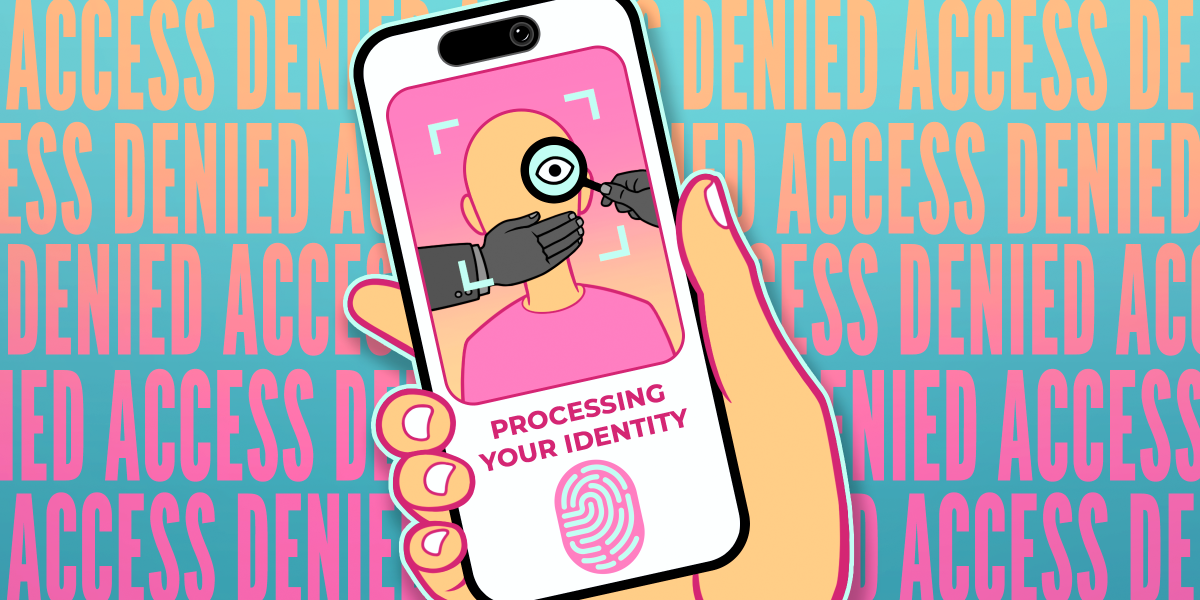
The internet’s rapid evolution has brought immense opportunities, but also exposed various risks, particularly for younger users. Consequently, the demand for effective age verification solutions has soared. Furthermore, parents, educators, and policymakers increasingly recognize the urgent need to protect children from potentially harmful online content.
Protecting Vulnerable Users
Children and teenagers regularly encounter a wide range of content online. Sadly, some of this material is entirely unsuitable for their age group. Therefore, implementing proper age verification helps shield minors from exposure to pornography, gambling, violence, and other adult-oriented subjects. Furthermore, it limits their access to platforms designed for mature audiences, where predatory behavior can occur.
For example, social media platforms often have age restrictions, but these are easily bypassed by young users. Moreover, without reliable age verification, these platforms cannot genuinely ensure child protection. Thus, robust systems become indispensable for creating safer online spaces.
Addressing Harmful Content
Beyond explicit material, other types of content can harm young minds. This includes sites promoting self-harm, extreme ideologies, or dangerous challenges. Consequently, effective age verification plays a crucial role in preventing minors from encountering such detrimental information.
Furthermore, many online games and apps have age ratings, but these ratings lose meaning without proper age verification. Players of all ages can simply click “yes” to an age gate, gaining access regardless of their actual age. Therefore, we need better mechanisms to enforce these vital protections.
How Age Verification Works and Its Challenges
Implementing effective age verification is often more complex than simply asking for a birthdate. Developers face significant hurdles in creating systems that are both accurate and user-friendly. Moreover, privacy concerns add another layer of difficulty.
Different Age Verification Methods
Various methods exist for performing age verification, each with its own strengths and weaknesses. Firstly, simple self-declaration, where users input their birthdate, is the easiest to implement but also the least reliable. Secondly, database checks involve cross-referencing user data with official records. This method offers greater accuracy but raises privacy questions.
Furthermore, document-based verification requires users to upload a photo of an ID document. This provides strong proof of age but can be cumbersome and invasive. Lastly, biometric methods, like facial recognition, are emerging, but they still face significant privacy and ethical debates. Clearly, finding the right balance is crucial.
Overcoming Implementation Hurdles
Despite the clear need, rolling out widespread age verification faces numerous challenges. For instance, collecting and storing personal data for verification purposes demands strict adherence to privacy regulations. Many users hesitate to share sensitive information, which can impede adoption.
Moreover, ensuring the accuracy of age verification across different regions and languages presents technical difficulties. Furthermore, creating systems that are inclusive and accessible to everyone, including those without official IDs, adds to the complexity. Ultimately, developers must innovate to overcome these significant obstacles.
Regulatory Landscape and Compliance with Age Verification
Governments worldwide increasingly recognize the necessity of age verification to protect citizens in the digital realm. Therefore, new laws and regulations are constantly emerging, demanding higher standards from online platforms.
Global Mandates for Digital Identity
Many countries are now enacting legislation that mandates age verification for certain types of online content or services. For example, some jurisdictions require strict age checks for adult entertainment websites, online gambling platforms, and even social media sites. These regulations reflect a growing global consensus on digital responsibility.
Furthermore, non-compliance with these laws can result in hefty fines and severe reputational damage for companies. Consequently, businesses operating online must prioritize robust age verification to avoid legal repercussions. This push for compliance significantly shapes the future of the internet.
The Cost of Non-Compliance
Failing to implement adequate age verification carries substantial risks for online businesses. Financial penalties, as mentioned, can be severe, sometimes reaching millions of dollars. Additionally, regulatory bodies can impose operational restrictions, impacting a company’s ability to operate freely.
Moreover, the damage to public trust and brand reputation can be irreversible. Consumers, especially parents, demand accountability from online platforms. Therefore, companies that demonstrate commitment to effective age verification often gain a competitive edge by fostering greater user confidence.
The Benefits of Robust Age Verification Systems
Beyond legal compliance, strong age verification brings numerous advantages, contributing to a healthier and more trustworthy online environment. Therefore, these systems are not merely a burden but a valuable investment.
Enhanced Online Safety
Firstly, effective age verification creates a safer internet for everyone. Children are less likely to encounter inappropriate content, reducing their exposure to online risks. Consequently, parents can feel more confident about their children’s digital activities.
Furthermore, platforms that implement strong age verification signals a commitment to user welfare. This proactive approach helps build a reputation as a responsible digital citizen. Ultimately, it fosters an environment where genuine users feel more secure.
Building Trust in Digital Platforms
In an era of increasing digital threats and privacy concerns, trust is a valuable commodity. When platforms visibly invest in age verification, they demonstrate their dedication to user protection. This, in turn, strengthens consumer confidence and loyalty.
Moreover, a trusted platform can attract more users and partnerships. Businesses prefer to associate with brands that uphold high ethical standards. Therefore, age verification contributes significantly to a platform’s long-term success and sustainability.
The Future of Age Verification Technologies
As technology advances, so too will the methods and capabilities of age verification. The future promises more sophisticated, less intrusive, and highly accurate solutions.
AI and Biometrics in Age Verification
Artificial intelligence (AI) and biometric technologies are poised to revolutionize age verification. AI-powered facial analysis, for instance, can estimate a user’s age with increasing accuracy without requiring personal identification documents. This offers a less intrusive way to verify age.
Furthermore, combining AI with other data points, such as behavioral analytics, could create highly robust and privacy-preserving age verification systems. However, these advancements must still address ethical concerns and ensure data security meticulously.
Balancing Privacy with Protection
Ultimately, the future of age verification lies in finding the perfect balance between user privacy and comprehensive protection. Solutions that are both secure and minimally invasive will gain widespread acceptance. Therefore, developers are exploring decentralized identity systems, where users control their verified age data, sharing it only when necessary.
Moreover, industry collaboration and standardized protocols will be crucial. A unified approach can reduce fragmentation and ensure interoperability across various online services. Consequently, the goal is to create a seamless yet secure online experience for all.
Conclusion: Securing the Digital Future with Age Verification
The internet’s future hinges on its ability to evolve into a safer, more responsible space for all users. Age verification stands as a cornerstone of this transformation, providing essential safeguards for vulnerable individuals while fostering trust in digital platforms. Moreover, as technology advances, so too will the sophistication and user-friendliness of these critical systems.
Businesses must proactively adopt robust age verification methods, not only for regulatory compliance but also to demonstrate ethical responsibility. By doing so, they contribute to a healthier online ecosystem, benefiting society as a whole. Ultimately, the integration of effective age verification will define a more mature and secure digital future for generations to come. Therefore, embracing this technology is a collective imperative.
References: