
Learning With AI: Encouragement or Apathy?
Artificial Intelligence (AI) is transforming almost every aspect of our lives — and education is no exception. From intelligent tutoring systems to adaptive learning platforms, AI in education promises to revolutio00nize how students learn and how teachers teach. But while the benefits are promising, an important question remains: Is learning with AI truly motivating students, or is it fostering apathy and disconnection?
This article explores the double-edged nature of artificial intelligence in classrooms, balancing the enthusiasm around edtech tools with concerns about their long-term impact on student motivation.
The Rise of AI in Education
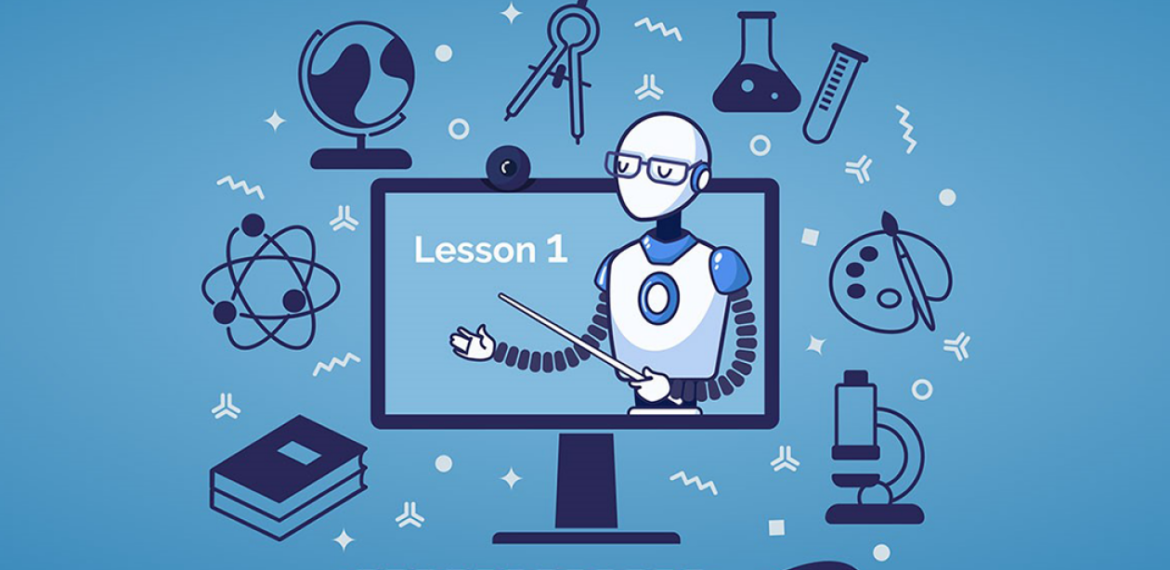
Over the past decade, technology in education has moved beyond simple digital classrooms to incorporate advanced AI-powered systems. These include:
-
Personalized learning platforms that adapt lessons to individual student needs
-
AI tutors that provide 24/7 homework help
-
Automated grading systems to reduce teacher workload
-
Online learning platforms powered by machine learning
According to a 2023 report by HolonIQ, global spending on edtech tools is expected to surpass $400 billion by 2025, with AI playing a major role in this expansion.
How AI Can Encourage Student Motivation
AI isn’t just about automating tasks — it can also serve as a powerful motivator when used effectively. Let’s explore how.
1. Personalized Learning Experiences
Traditional classroom models often struggle to meet the diverse needs of students. AI in education allows for personalized learning, adjusting difficulty, pace, and content based on each student’s strengths and weaknesses.
📌 Example: Platforms like DreamBox Learning and Carnegie Learning use AI algorithms to adapt lessons in real-time, helping students stay engaged and challenged.
This individual attention can significantly boost student motivation, especially among those who might feel lost in a one-size-fits-all system.
2. Instant Feedback and Support
AI-driven platforms provide immediate feedback, helping students correct mistakes as they go — a key factor in maintaining engagement and interest.
🧠 When students receive instant responses, they are more likely to stay invested in their learning journey.
Additionally, tools like ChatGPT or AI chatbots in educational apps offer 24/7 assistance, making learning more accessible and less intimidating.
3. Gamification and Interactive Learning
Many edtech tools now integrate AI with gamification — using elements like points, badges, and progress bars to motivate learners.
🎮 Kahoot! and Duolingo, while not purely AI-based, incorporate adaptive AI features that adjust difficulty based on performance.
This playful interaction often encourages consistent engagement, especially in younger students.
The Flip Side: When AI Breeds Apathy
While the benefits are clear, there’s another side to this technological coin. Some educators and researchers caution that over-reliance on AI can actually decrease student motivation and foster disengagement.
1. Lack of Human Connection
One of the most pressing concerns about artificial intelligence in classrooms is the potential loss of emotional engagement.
👩🏫 Human teachers bring empathy, intuition, and mentorship — elements AI can’t replicate.
Learning is a deeply social process, and excessive interaction with machines may lead to isolation and apathy, especially in remote or hybrid settings.
2. Over-Personalization Leading to Boredom
Ironically, personalized learning can sometimes backfire. If content becomes too tailored and predictable, students may lose interest or fail to develop critical problem-solving skills.
⚠️ Some students report feeling “coddled” by AI tools that give them answers too easily, reducing the incentive to think deeply.
This raises concerns about long-term retention and academic resilience.
3. Dependence on Technology
When students rely too heavily on AI for answers or explanations, they may lose the motivation to think independently.
📉 A study by the University of Michigan found that students who frequently used AI-based homework helpers showed decreased initiative over time.
This dependence on edtech tools could result in a passive learning attitude — one where curiosity is replaced by convenience.
Real-World Case Studies
Case Study 1: Encouragement — Squirrel AI in China
Squirrel AI, an adaptive learning platform used in over 1,000 schools in China, has shown impressive results. Students using the system for just 12 weeks improved test scores significantly compared to those in traditional classrooms.
✅ Educators noted improved self-confidence and engagement among underperforming students.
Case Study 2: Apathy — Overuse of AI in Remote Learning
During the COVID-19 pandemic, many students in the U.S. and Europe relied heavily on online learning platforms and AI tutors. While convenient, prolonged use led to screen fatigue and declining motivation, particularly among high school students.
❌ Teachers reported decreased participation and poor retention when AI tools replaced live instruction entirely.
The Middle Ground: Finding Balance in EdTech
Clearly, AI in education isn’t inherently good or bad — its impact depends on how it’s integrated into learning environments. Here are some ways educators and institutions can strike the right balance:
1. Blended Learning Models
Combining AI tools with human instruction ensures that technology in education complements rather than replaces teachers.
🔄 Use AI for grading, data analysis, or content suggestions — but keep discussions, mentoring, and emotional support human-led.
2. Focus on Critical Thinking
Instead of using AI to provide direct answers, use it to challenge students, prompt reflection, and encourage problem-solving.
3. Set Healthy Boundaries
Limit screen time and encourage offline activities to prevent burnout and maintain a healthy learning rhythm.
The Future of Education Technology
Looking ahead, the future of education technology will likely involve even deeper integration of AI — through augmented reality classrooms, emotional AI that detects student moods, and predictive analytics to forecast academic performance.
But the central challenge will remain: How do we use these tools to empower, not replace, student effort and motivation?
As AI evolves, so too must our understanding of what keeps students truly engaged.
Final Thoughts: Encouragement or Apathy?
So, does AI encourage or hinder learning?
The answer is: It depends.
When used wisely, AI in education can be a tremendous motivator, offering personalized pathways, timely support, and innovative learning formats. But when overused or poorly implemented, it risks creating passive learners and a disconnect from the human aspects of education.
Call to Action: Navigating AI in Education
For educators:
→ Embrace AI as a supportive tool, not a replacement. Combine tech with strong pedagogy and human empathy.
For students:
→ Use AI to enhance your learning, not shortcut it. Stay curious, ask questions, and balance screen time with real-world problem-solving.
For parents:
→ Monitor your child’s interaction with AI tools. Encourage open dialogue about what they’re learning and how they feel about it.
Want to stay informed about the latest in AI, edtech, and technology in education?
👉 Visit https://techvaultmm.com for updates, tips, and in-depth analysis.