
Why Computer Cooling Systems Are Essential
Introduction: Understanding Computer Cooling Systems Importance
Every computer generates heat during operation, making computer cooling systems absolutely necessary. Furthermore, without proper cooling, components can overheat and suffer permanent damage quickly. Generally speaking, computer cooling systems protect expensive hardware and ensure reliable performance daily. Moreover, understanding cooling importance helps users maintain their devices properly.
Additionally, modern processors and graphics cards produce more heat than ever before. Subsequently, computer cooling systems must work harder to manage rising temperatures effectively. Therefore, investing in quality cooling solutions protects your investment significantly. Meanwhile, this guide explains why computer cooling systems matter and how they work.
How Computer Cooling Systems Work
Basic Principles of Heat Management
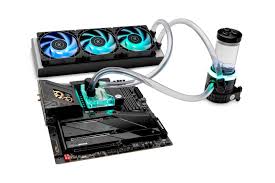
First and foremost, computer cooling systems remove heat from components and disperse it safely. Generally, heat transfers from hot parts to cooler areas through various methods. Furthermore, fans, heatsinks, and liquids all play roles in temperature management.
Moreover, computer cooling systems use airflow to carry heat away from processors. Subsequently, heatsinks absorb heat and spread it across larger surface areas. Additionally, thermal paste helps transfer heat between components and cooling solutions efficiently. Therefore, multiple elements work together in effective computer cooling systems.
Consequently, proper cooling maintains safe operating temperatures continuously. Furthermore, consistent temperatures prevent thermal throttling that slows performance down.
Types of Computer Cooling Systems
Furthermore, several types of computer cooling systems exist for different needs. Generally speaking, air cooling remains the most common and affordable option available. Therefore, most computers come with basic air cooling solutions installed.
Moreover, liquid cooling offers superior heat management for demanding systems. Subsequently, water carries heat away more efficiently than air alone. Additionally, liquid computer cooling systems enable higher performance and quieter operation.
Meanwhile, passive cooling uses no moving parts and works silently always. Furthermore, hybrid solutions combine multiple cooling methods for optimal results.
Why Computer Cooling Systems Matter
Preventing Hardware Damage
Generally speaking, excessive heat destroys computer components permanently over time. Furthermore, processors can burn out within seconds without proper computer cooling systems. Therefore, cooling directly affects hardware lifespan and reliability significantly.
Moreover, graphics cards generate enormous heat during gaming and rendering tasks. Subsequently, inadequate cooling causes GPU failures and expensive replacements frequently. Additionally, motherboards, RAM, and storage drives all suffer from heat exposure.
Meanwhile, computer cooling systems protect investments worth hundreds or thousands of dollars. Furthermore, prevention costs far less than replacing damaged components later.
Maintaining Optimal Performance
Furthermore, computer cooling systems directly impact processing speed and performance levels. Generally, overheating triggers thermal throttling that reduces processor speeds automatically. Therefore, hot computers run slower than properly cooled machines noticeably.
Moreover, gaming performance drops significantly when temperatures exceed safe limits. Subsequently, frame rates decrease and games become unplayable during intense sessions. Additionally, video editing and rendering take longer on overheating systems.
Meanwhile, effective computer cooling systems ensure consistent performance always. Furthermore, maintained temperatures allow components to operate at full potential continuously.
Extending Component Lifespan
Generally speaking, heat accelerates wear on electronic components significantly over time. Furthermore, cooler components last years longer than constantly overheated parts. Therefore, computer cooling systems represent long-term investments in hardware longevity.
Moreover, thermal cycling stresses solder joints and connections repeatedly. Subsequently, proper cooling reduces temperature fluctuations that cause physical damage. Additionally, fans and drives last longer in cooler operating environments.
Meanwhile, replacing computers less frequently saves money over years. Furthermore, good computer cooling systems pay for themselves through extended hardware life.
Signs Your Computer Cooling Systems Need Attention
Warning Indicators to Watch
Subsequently, several signs indicate computer cooling systems require maintenance or upgrades. Generally, loud fan noises suggest cooling components work harder than normal. Furthermore, fans spinning at maximum speed constantly indicate temperature problems.
Moreover, unexpected shutdowns often result from overheating protection activating automatically. Additionally, slow performance during demanding tasks may signal thermal throttling occurring. Therefore, monitoring temperatures helps identify cooling issues early.
Meanwhile, physical signs include hot surfaces and warm air exhaust from vents. Furthermore, dust buildup visible on vents indicates airflow restrictions needing attention.
Temperature Monitoring Tips
Furthermore, software tools help monitor computer cooling systems effectiveness easily. Generally speaking, programs display real-time temperatures for processors and graphics cards. Therefore, regular monitoring catches problems before damage occurs.
Moreover, normal CPU temperatures range between 40-70 degrees Celsius typically. Subsequently, temperatures above 80 degrees indicate cooling improvements needed urgently. Additionally, graphics cards run hotter but should stay below 85 degrees.
Meanwhile, comparing temperatures over time reveals cooling degradation patterns. Furthermore, sudden increases suggest dust buildup or failing cooling components.
Improving Your Computer Cooling Systems
Simple Maintenance Steps
Generally speaking, regular maintenance keeps computer cooling systems working effectively always. Furthermore, cleaning dust from fans and vents improves airflow immediately. Therefore, monthly cleaning prevents most overheating problems successfully.
Moreover, replacing thermal paste every few years restores heat transfer efficiency. Subsequently, dried paste acts as insulation instead of conductor unfortunately. Additionally, ensuring proper cable management improves internal airflow significantly.
Meanwhile, positioning computers away from walls allows better ventilation naturally. Furthermore, avoiding carpet placement prevents dust intake and blocked vents.
Upgrade Options Available
Furthermore, upgrading computer cooling systems improves performance and reduces noise levels. Generally, aftermarket CPU coolers outperform stock solutions considerably. Therefore, enthusiasts often replace default coolers immediately after purchase.
Moreover, adding case fans increases overall airflow through computer systems. Subsequently, intake and exhaust fan balance creates optimal air circulation patterns. Additionally, liquid cooling upgrades suit high-performance gaming and workstation builds.
Meanwhile, laptop users can add cooling pads for improved temperature management. Furthermore, external computer cooling systems help portable devices significantly.
Choosing Right Cooling Systems
Factors to Consider
Generally speaking, several factors determine which computer cooling systems suit your needs. Furthermore, computer usage patterns affect cooling requirements significantly. Therefore, gamers and creators need stronger cooling than office users.
Moreover, case size limits cooling options available for installation physically. Subsequently, compact builds require smaller or liquid computer cooling systems typically. Additionally, noise tolerance influences whether loud or quiet solutions work better.
Meanwhile, budget constraints affect available cooling options realistically. Furthermore, balancing cost with cooling effectiveness requires careful consideration.
Conclusion
In conclusion, computer cooling systems protect hardware, maintain performance, and extend component lifespan. Furthermore, heat represents the biggest threat to computer reliability and longevity. Generally speaking, investing in proper computer cooling systems saves money long-term.
Moreover, regular maintenance keeps cooling solutions working effectively for years. Subsequently, monitoring temperatures helps identify problems before damage occurs. Therefore, taking cooling seriously benefits every computer user significantly.
Additionally, upgrade options exist for users needing improved thermal management solutions. Meanwhile, computer cooling systems continue evolving with advancing technology demands. Furthermore, proper cooling ensures your computer performs reliably whenever needed.
For more technology guides and insights, visit Digital New IT and explore additional resources at Tech Vault MM.