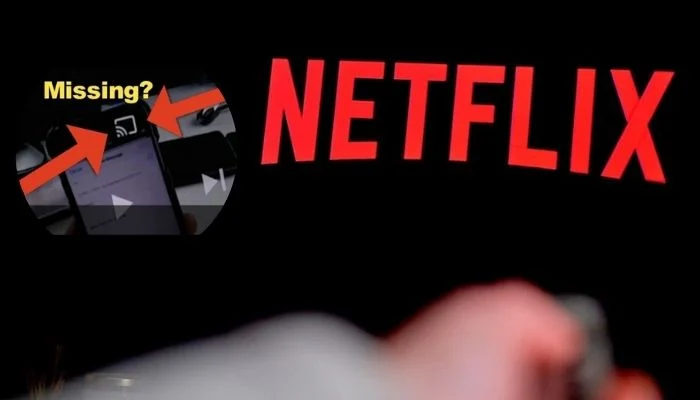
Netflix Ends Casting From Mobile Devices for Users of Newer TVs
Why Netflix Ends Casting Support
Recently, Netflix ends casting from mobile devices to newer smart televisions, surprising many subscribers. Furthermore, this change affects users who enjoyed casting content from phones to TV screens conveniently. Generally speaking, Netflix ends casting specifically for televisions with built-in Netflix apps. Moreover, this decision has created discussions among streaming fans about convenience and viewing habits.
Additionally, Netflix ends casting as part of efforts to improve how users access content. Subsequently, the company wants viewers to use native TV apps instead of casting from phones. Therefore, understanding why Netflix ends casting helps subscribers adapt to these changes smoothly. Meanwhile, this guide explains everything about this important update and available alternatives.
Why Netflix Ends Casting Features
The Official Change Explained
First and foremost, Netflix ends casting through a quiet update without major announcements. Generally, users discovered the change when casting options disappeared from mobile apps suddenly. Furthermore, Netflix confirmed that newer smart TVs with built-in apps no longer support casting. Consequently, this affects millions of subscribers who relied on this feature daily.
Moreover, Netflix ends casting specifically for modern televisions manufactured recently. Subsequently, older TVs and streaming devices like Chromecast still support casting normally. Additionally, the company states that native apps provide better viewing experiences overall. Therefore, Netflix ends casting to encourage direct app usage on smart televisions.
Technical Reasons Behind the Decision
Subsequently, Netflix ends casting partly due to quality and performance improvements. Generally, native TV apps offer better video quality and streaming stability consistently. Furthermore, casting sometimes introduces buffering and quality reduction during playback. Therefore, Netflix ends casting to ensure optimal viewing experiences for all subscribers.
Additionally, native apps access TV hardware more efficiently than casting methods. Moreover, HDR, Dolby Vision, and Dolby Atmos work better through built-in applications. Meanwhile, maintaining casting support requires significant development resources and testing efforts. Consequently, Netflix ends casting to focus on improving native applications instead.
How Netflix Ends Casting Affects Users
Smart TV Owners Impact
Generally speaking, Netflix ends casting most significantly for newer smart TV owners. Furthermore, these users previously enjoyed controlling playback from phones conveniently. Therefore, losing this feature requires adjusting viewing habits and daily routines.
Moreover, Netflix ends casting functionality that many families used regularly. Subsequently, parents controlled content for children using phone apps easily before. Additionally, browsing Netflix on phones felt more convenient than using TV remotes. Meanwhile, users must now navigate entirely using television interfaces instead.
Consequently, some subscribers express frustration about Netflix ends casting decisions online. Furthermore, social media shows mixed reactions to this unexpected change. Therefore, understanding available alternatives helps affected users adapt quickly.
Users Who Remain Unaffected
Furthermore, Netflix ends casting only for certain smart TV setups specifically. Generally, Chromecast, Roku, and Fire TV users continue enjoying casting normally. Therefore, dedicated streaming devices provide solutions for disappointed subscribers.
Additionally, older smart TVs without built-in Netflix apps keep casting support. Subsequently, gaming consoles like PlayStation and Xbox offer alternative access methods. Moreover, Netflix ends casting strategically rather than removing the feature completely everywhere.
Alternatives After Netflix Ends Casting
Using Native TV Apps Effectively
Generally speaking, native Netflix apps offer features that casting cannot provide. Furthermore, these apps remember your place in shows and movies accurately. Therefore, learning TV apps efficiently can replace casting convenience.
Moreover, voice remotes make searching for content easier than before. Subsequently, saying show names works faster than typing on phones sometimes. Additionally, TV apps display larger thumbnails and better descriptions. Meanwhile, Netflix ends casting but improves native app experiences continuously.
Consequently, regular updates add new features and improve navigation regularly. Furthermore, exploring all app features reveals capabilities beyond basic playback options.
Streaming Devices and Chromecast
Furthermore, purchasing dedicated streaming devices restores casting functionality immediately. Generally, Chromecast devices cost little and work excellently with Netflix. Therefore, subscribers missing casting can solve problems affordably and quickly.
Additionally, Chromecast with Google TV offers both casting and native app options. Subsequently, Roku and Amazon Fire Stick provide similar functionality at various prices. Moreover, these devices often improve streaming quality compared to built-in TV apps. Meanwhile, setup takes only minutes and improves overall streaming experiences significantly.
Screen Mirroring Options
Moreover, screen mirroring provides alternative methods after Netflix ends casting support. Generally speaking, most smartphones can mirror screens to compatible televisions easily. Furthermore, AirPlay for iPhone users offers seamless mirroring to supported TVs.
Subsequently, screen mirroring works differently than traditional casting methods. Additionally, your phone screen must stay on during playback continuously. Therefore, battery consumption increases compared to standard casting usage patterns.
Tips for Adapting to Changes
Optimizing Your Viewing Experience
Generally speaking, several tips help users adapt after Netflix ends casting support. Furthermore, organizing profiles and preferences improves native app usability significantly. Therefore, spending time customizing settings helps during daily use.
Moreover, learning remote control shortcuts speeds up navigation considerably. Subsequently, voice search features reduce typing frustration on television interfaces. Additionally, bookmarking favorite shows creates easy access to preferred content quickly.
Meanwhile, Netflix ends casting but native apps offer many underutilized features. Furthermore, downloading content for offline viewing works through TV apps too. Therefore, exploring all features reveals benefits beyond basic streaming playback.
Setting Up Backup Options
Furthermore, configuring alternative devices ensures uninterrupted Netflix access always. Generally, streaming sticks provide affordable casting restoration options quickly. Therefore, keeping alternatives ready prevents frustration during viewing sessions.
Additionally, ensuring strong WiFi coverage improves all streaming experiences noticeably. Subsequently, wired ethernet connections provide more reliable performance than wireless options. Moreover, optimizing home networks benefits streaming regardless of access methods chosen.
Future Outlook and Possibilities
What Subscribers Can Expect
Generally speaking, Netflix continues developing new features despite ending casting support. Furthermore, the company invests heavily in improving user experiences continuously. Therefore, future updates may introduce features surpassing casting convenience eventually.
Moreover, Netflix ends casting while exploring innovative content discovery methods. Subsequently, improved recommendations help users find interesting content faster. Additionally, user feedback may influence future feature decisions positively.
Meanwhile, technology improvements might enable better casting experiences eventually. Furthermore, Netflix could reintroduce casting with enhanced capabilities someday. Consequently, expressing preferences through official feedback channels remains valuable.
Comparing to Other Services
Furthermore, other streaming services maintain casting support currently. Generally, Disney+, HBO Max, and Amazon Prime Video offer robust casting features. Therefore, Netflix ends casting while competitors keep this functionality available.
Moreover, competition may pressure Netflix to reconsider casting decisions eventually. Subsequently, comparing features across platforms helps make informed subscription choices. Additionally, many households use multiple streaming services anyway for variety.
Conclusion
In conclusion, Netflix ends casting from mobile devices to newer smart TVs with built-in apps. Furthermore, this change affects subscribers who enjoyed phone-based control convenience. Generally speaking, Netflix ends casting to encourage native app usage providing better quality.
Moreover, alternatives exist including streaming devices, screen mirroring, and native apps. Subsequently, adapting to TV apps reveals features that casting couldn’t provide before. Therefore, subscribers can maintain excellent viewing experiences despite this change.
Additionally, Netflix ends casting as streaming services continue evolving their platforms. Meanwhile, user feedback may influence future decisions about feature restoration. Furthermore, staying informed about updates helps subscribers adapt successfully.
For more technology news and streaming updates, visit Engadget and explore additional coverage at Tech Vault MM.