
Why Are Smart Gadgets So Popular Today? Understanding the Technology Revolution
The world has embraced smart gadgets at an unprecedented pace in recent years. From smartphones in our pockets to smart speakers in our homes, these devices have transformed how we live, work, and communicate. Moreover, the popularity of smart gadgets continues growing as technology becomes more accessible and affordable for everyone. While some people initially resisted this digital transformation, most now consider these devices essential for daily life.
Throughout this comprehensive guide, we’ll explore why smart gadgets have become so incredibly popular worldwide. Whether you’re a technology enthusiast or someone curious about this trend, you’ll discover the driving forces behind this phenomenon. Additionally, we’ll examine how these devices improve our lives and what makes them so appealing to different age groups. Most importantly, you’ll understand why smart gadgets represent more than just a passing trend but rather a fundamental shift in how humans interact with technology.
The Rise of Smart Gadgets in Modern Society
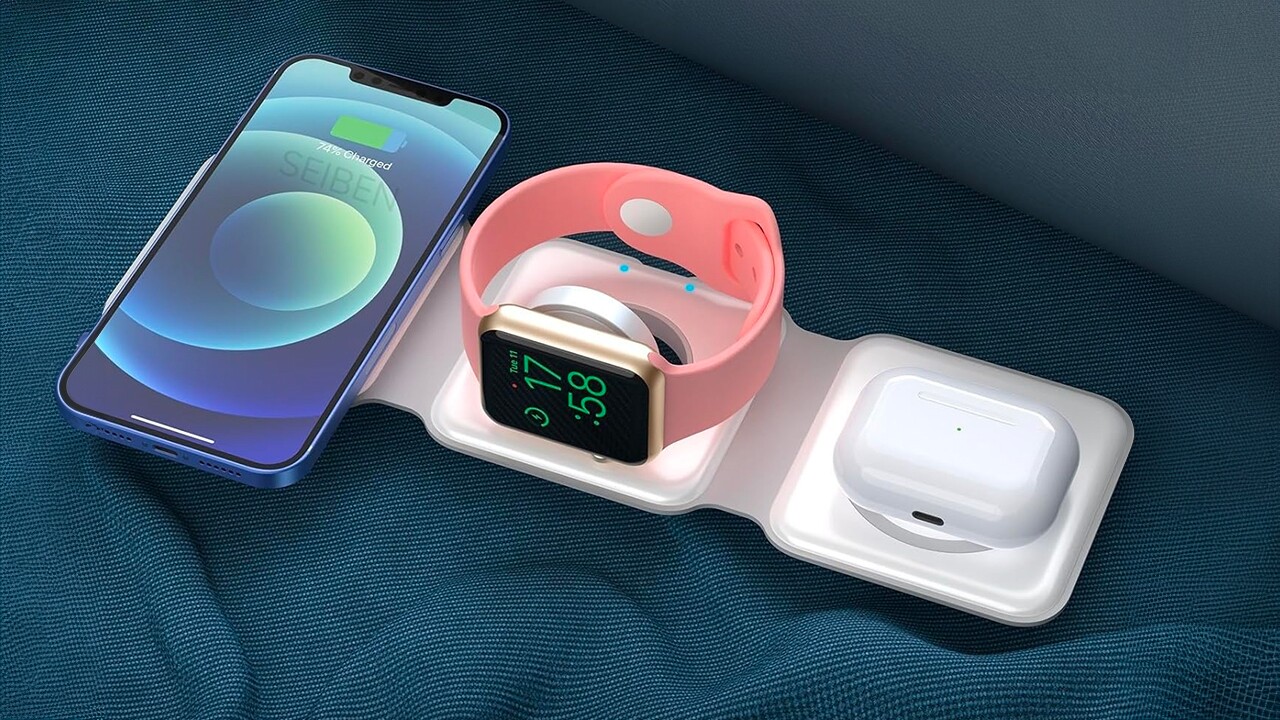
To understand current popularity, it’s essential to trace how smart gadgets evolved from luxury items to everyday necessities. Initially, these devices served tech-savvy early adopters willing to pay premium prices. However, mass production and competition have made them accessible to billions of people globally. Furthermore, improved internet infrastructure has enabled these devices to reach their full potential.
The smartphone revolution marked the beginning of mainstream smart gadgets adoption. When Apple introduced the iPhone in 2007, it changed people’s expectations about what portable devices could do. Subsequently, Android devices democratized smartphone access by offering various price points. Moreover, tablets, smartwatches, and fitness trackers followed, creating an ecosystem of connected devices.
Additionally, the COVID-19 pandemic accelerated smart gadgets adoption significantly. Because people needed to work, learn, and socialize remotely, these devices became lifelines rather than luxuries. Therefore, even traditionally resistant demographics embraced technology out of necessity, discovering benefits they hadn’t previously considered.
How Smart Gadgets Changed Daily Routines
Smart gadgets have fundamentally altered how we approach everyday tasks. Morning routines now begin with checking smartphones for news, weather, and messages. Furthermore, smart speakers play music, answer questions, and control home appliances through simple voice commands. These conveniences save time while making life more enjoyable.
In the workplace, smart gadgets boost productivity and enable flexible working arrangements. Laptops, tablets, and smartphones allow employees to work from anywhere with internet access. Additionally, smartwatches keep professionals connected during meetings without rudely checking phones. Moreover, wireless earbuds enable multitasking during commutes or exercise sessions.
Evening entertainment has also transformed through smart gadgets integration. Smart TVs stream content from multiple platforms, eliminating traditional cable limitations. Gaming consoles connect players worldwide for shared experiences. Furthermore, e-readers provide access to millions of books instantly, revolutionizing how we consume literature.
Key Features Making Smart Gadgets Irresistible
Several characteristics explain why smart gadgets captivate users across all demographics. Understanding these features reveals why adoption continues accelerating globally.
Convenience and Efficiency Drive Smart Gadgets Adoption
The primary appeal of smart gadgets lies in their ability to simplify complex tasks. Because these devices automate routine activities, users save valuable time daily. Furthermore, integration between devices creates seamless experiences that feel almost magical.
Consider how smartphones consolidate multiple tools into one device. Previously, people carried separate cameras, music players, GPS units, and phones. Now, one device handles all these functions better than dedicated hardware. Additionally, cloud synchronization ensures data remains accessible across all devices instantly.
Smart home devices exemplify convenience through automation. Thermostats learn preferences and adjust temperatures automatically for comfort and energy savings. Moreover, smart locks provide keyless entry while monitoring home security remotely. Robot vacuums clean floors autonomously, freeing time for more important activities.
Voice assistants represent perhaps the ultimate convenience feature. Since speaking is faster than typing, voice commands streamline interactions significantly. Whether setting reminders, sending messages, or controlling smart home devices, voice control makes technology accessible to everyone regardless of technical expertise.
Personalization and Adaptability
Smart gadgets learn user preferences to deliver personalized experiences. Machine learning algorithms analyze behavior patterns to make intelligent suggestions. Therefore, devices become more helpful over time as they understand individual needs better.
Streaming services recommend content based on viewing history and preferences. Fitness trackers adjust goals according to activity levels and progress. Furthermore, smartphones organize apps and notifications based on usage patterns. This personalization makes devices feel uniquely tailored to each user.
Additionally, smart gadgets adapt to different contexts automatically. Phones switch between Wi-Fi and cellular data seamlessly. Smartwatches detect workouts and track relevant metrics without manual input. Moreover, noise-canceling headphones adjust to environmental sound levels for optimal listening experiences.
The Social and Cultural Impact of Smart Gadgets
Beyond individual benefits, smart gadgets have reshaped society and culture profoundly. These changes explain why adoption transcends age, income, and geographic boundaries.
How To Enable Global Connectivity
Smart gadgets have eliminated communication barriers that previously separated people worldwide. Video calls connect families across continents instantly and affordably. Furthermore, social media platforms accessed through these devices create global communities around shared interests.
Translation apps on smartphones break down language barriers in real-time. Travelers navigate foreign countries confidently using map applications and translation tools. Additionally, international collaboration becomes seamless through cloud-based productivity tools accessible from any device.
The democratization of information through smart gadgets empowers individuals globally. Anyone with a smartphone can access educational resources, news, and professional opportunities. Moreover, these devices enable entrepreneurs in developing nations to participate in the global economy. Therefore, smart gadgets promote equality by providing universal access to knowledge and opportunities.
Entertainment Revolution Through Smart Devices
Smart gadgets have transformed entertainment from passive consumption to interactive experiences. Streaming platforms deliver personalized content recommendations across multiple devices. Furthermore, users create and share their own content easily, blurring lines between consumers and creators.
Mobile gaming has become a massive industry thanks to smartphone proliferation. Because phones are always available, gaming fits into small pockets of free time. Additionally, augmented reality games like Pokémon GO merge digital entertainment with physical activity.
Social entertainment through smart gadgets creates shared experiences despite physical distance. Friends watch movies together virtually through synchronized streaming. Moreover, multiplayer games connect people worldwide for collaborative adventures. These connections combat loneliness while building meaningful relationships.
Health and Wellness Benefits of Smart Gadgets
The health sector has embraced smart gadgets enthusiastically, recognizing their potential for improving wellness outcomes. These applications demonstrate practical benefits beyond entertainment and convenience.
Revolutionize Personal Health Monitoring
Wearable smart gadgets provide continuous health monitoring previously requiring medical equipment. Smartwatches track heart rate, sleep patterns, and activity levels throughout the day. Furthermore, some devices detect irregular heart rhythms that might indicate serious conditions.
Fitness trackers motivate users through goal-setting and achievement celebrations. Because these devices make health data visible and understandable, users become more conscious of their wellness. Additionally, sharing achievements with friends creates accountability and friendly competition.
Smart scales measure more than just weight, analyzing body composition and tracking trends over time. Blood pressure monitors sync with smartphones to maintain health records automatically. Moreover, glucose monitors help diabetics manage their condition more effectively through continuous monitoring and alerts.
Mental Health Support Through Technology
Smart gadgets increasingly address mental health needs through various applications and features. Meditation apps guide users through stress-reduction exercises using smartphones or tablets. Furthermore, mood tracking applications help identify patterns and triggers affecting mental wellness.
Sleep tracking features in smart gadgets highlight the importance of quality rest. By analyzing sleep patterns, these devices suggest improvements for better recovery. Additionally, smart lights adjust color temperature to support natural circadian rhythms.
Virtual therapy sessions through smartphones make mental health support more accessible and affordable. Because people can connect with therapists from home, barriers to seeking help decrease significantly. Moreover, AI-powered chatbots provide immediate support during crisis moments when human therapists aren’t available.
Economic Factors Driving Smart Gadgets Popularity
The economics of smart gadgets explain their widespread adoption across income levels. Understanding these factors reveals why growth continues accelerating globally.
Declining Costs Make Smart Gadgets Accessible
Competition among manufacturers has driven smart gadgets prices down dramatically. While early smartphones cost over $600, capable devices now sell for under $200. Furthermore, refurbished and older models provide entry points for budget-conscious consumers.
Financing options make expensive devices affordable through monthly payments. Carriers subsidize phone costs through service contracts, reducing upfront expenses. Additionally, trade-in programs help users upgrade regularly without significant financial burden.
The sharing economy enabled by smart gadgets actually saves money for users. Ride-sharing apps eliminate car ownership needs in urban areas. Moreover, smart home devices reduce energy costs through efficient automation. Therefore, initial investments in smart gadgets often pay for themselves through savings.
Productivity Gains Justify Investment
Businesses recognize that smart gadgets boost employee productivity significantly. Remote work capabilities reduce office space costs while expanding talent pools. Furthermore, collaboration tools on these devices streamline communication and project management.
Freelancers and entrepreneurs leverage smart gadgets to run entire businesses from anywhere. Smartphones handle payment processing, customer communication, and marketing tasks. Additionally, tablets replace expensive point-of-sale systems for small retailers.
Educational institutions embrace smart gadgets for enhanced learning experiences. Digital textbooks cost less than physical books while offering interactive features. Moreover, online courses accessed through these devices democratize education globally, creating economic opportunities for millions.
Future Trends in Smart Gadgets Development
Looking ahead, smart gadgets will become even more integrated into daily life. Understanding emerging trends helps appreciate why current adoption is just the beginning.
Artificial Intelligence Powers Next-Generation Smart Gadgets
AI advancement makes smart gadgets increasingly intelligent and autonomous. Natural language processing improves voice assistant capabilities dramatically. Furthermore, computer vision enables devices to understand and respond to visual information.
Predictive capabilities will anticipate user needs before explicit requests. Smart homes will prepare for arrival by adjusting temperature, lighting, and music automatically. Additionally, health devices will predict potential issues and recommend preventive actions.
Edge computing brings AI processing directly to smart gadgets rather than relying on cloud services. This approach improves response times while protecting privacy. Moreover, devices continue functioning during internet outages, increasing reliability.
Integration and Ecosystem Expansion
The future of smart gadgets involves seamless integration across all aspects of life. Smart cities will connect personal devices with public infrastructure for optimized experiences. Furthermore, vehicles will synchronize with personal devices for personalized transportation.
Augmented reality glasses represent the next frontier in smart gadgets evolution. These devices will overlay digital information onto the physical world seamlessly. Additionally, brain-computer interfaces might eventually enable thought-based device control.
Sustainability concerns drive development of eco-friendly smart gadgets with longer lifespans. Modular designs allow component upgrades without replacing entire devices. Moreover, improved recycling programs address environmental impacts of technology consumption.
Conclusion
The popularity of smart gadgets stems from their ability to enhance virtually every aspect of modern life. Through convenience, connectivity, and personalization, these devices have become indispensable tools for billions worldwide. Furthermore, declining costs and increasing capabilities ensure continued adoption across all demographics.
As technology advances, smart gadgets will become even more integrated into daily routines. Therefore, understanding their appeal helps appreciate this technological revolution’s significance. Moreover, embracing these devices thoughtfully can improve productivity, health, and quality of life significantly.
The future promises even more innovative smart gadgets that will further transform how we live, work, and interact. By staying informed about developments and choosing devices wisely, we can harness technology’s power for personal and collective benefit.
References: