
The AI Revolution Will Bring Prosperity
Introduction: Understanding the AI Revolution’s Promise
The AI revolution stands at the forefront of human progress, promising unprecedented prosperity for societies worldwide. Furthermore, this technological transformation is already reshaping industries, creating new opportunities, and solving complex problems that seemed insurmountable just years ago. As artificial intelligence continues to evolve rapidly, its potential to generate wealth, improve living standards, and democratize access to resources becomes increasingly clear.
Moreover, the AI revolution represents more than just technological advancement; it embodies humanity’s next great leap forward. While some express concerns about automation and job displacement, history shows that technological revolutions ultimately create more prosperity than they displace. Therefore, understanding how the AI revolution will bring prosperity helps us prepare for and embrace the positive changes ahead, ensuring that benefits reach all segments of society.
Economic Growth Through the AI Revolution

Unprecedented Productivity Gains
The AI revolution is driving productivity improvements across every sector of the global economy. Businesses using artificial intelligence report efficiency gains of 40% or more in various operations. Furthermore, AI systems work continuously without fatigue, processing vast amounts of data and making decisions faster than humanly possible. These capabilities multiply human productivity rather than simply replacing it.
Additionally, the AI revolution enables workers to focus on creative and strategic tasks while machines handle repetitive work. Companies implementing AI tools see employees becoming more satisfied and engaged in their roles. Moreover, productivity gains translate directly into economic growth, with some economists predicting AI could add $15 trillion to global GDP by 2030. Consequently, the prosperity generated through increased productivity benefits workers, businesses, and consumers alike.
New Industry Creation and Innovation
Beyond improving existing industries, the AI revolution spawns entirely new economic sectors. AI-powered services like personalized education platforms, virtual health assistants, and intelligent financial advisors create jobs that didn’t exist before. Furthermore, these emerging industries generate employment opportunities for millions while addressing previously unmet needs.
Moreover, startups leveraging AI technologies attract massive investments, fueling innovation ecosystems worldwide. The AI revolution encourages entrepreneurship by lowering barriers to entry in many fields. Additionally, small businesses can now access AI tools previously available only to large corporations, leveling the playing field. Therefore, the democratization of AI technology creates widespread economic opportunities and prosperity.
Healthcare Transformation in the AI Revolution
Disease Prevention and Early Detection
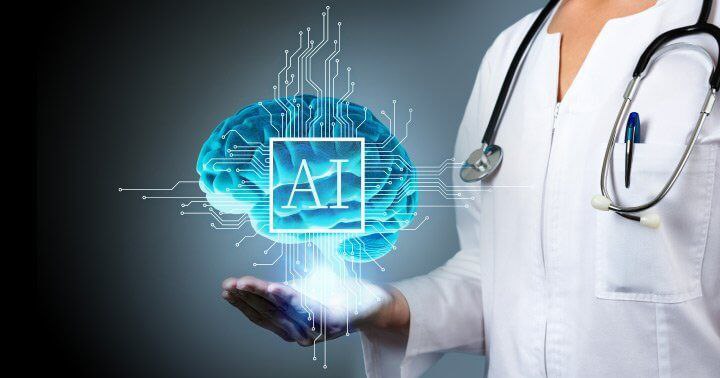
The AI revolution is transforming healthcare delivery, making quality medical care more accessible and affordable globally. AI systems analyze medical images with accuracy exceeding human specialists, detecting cancers and other diseases earlier than ever before. Furthermore, predictive algorithms identify health risks before symptoms appear, enabling preventive interventions that save lives and reduce treatment costs.
Additionally, AI-powered diagnostic tools bring specialist-level care to underserved communities worldwide. Rural areas without access to medical specialists benefit from AI systems that provide accurate diagnoses remotely. Moreover, the AI revolution reduces healthcare disparities by making advanced medical knowledge universally available. Consequently, improved health outcomes contribute directly to economic prosperity by keeping populations healthy and productive.
Personalized Medicine and Treatment
Through the AI revolution, medicine becomes increasingly personalized to individual patient needs. AI algorithms analyze genetic data, lifestyle factors, and medical histories to recommend optimal treatments for each person. Furthermore, this personalized approach improves treatment effectiveness while reducing adverse reactions and unnecessary procedures.
Moreover, drug discovery accelerates dramatically through AI simulation and modeling. The AI revolution reduces pharmaceutical development time from decades to years, bringing life-saving medications to market faster. Additionally, AI helps identify new uses for existing drugs, providing affordable treatment options for rare diseases. Therefore, personalized medicine powered by AI creates both health and economic benefits for society.
Education Enhancement Through the AI Revolution
Personalized Learning Experiences
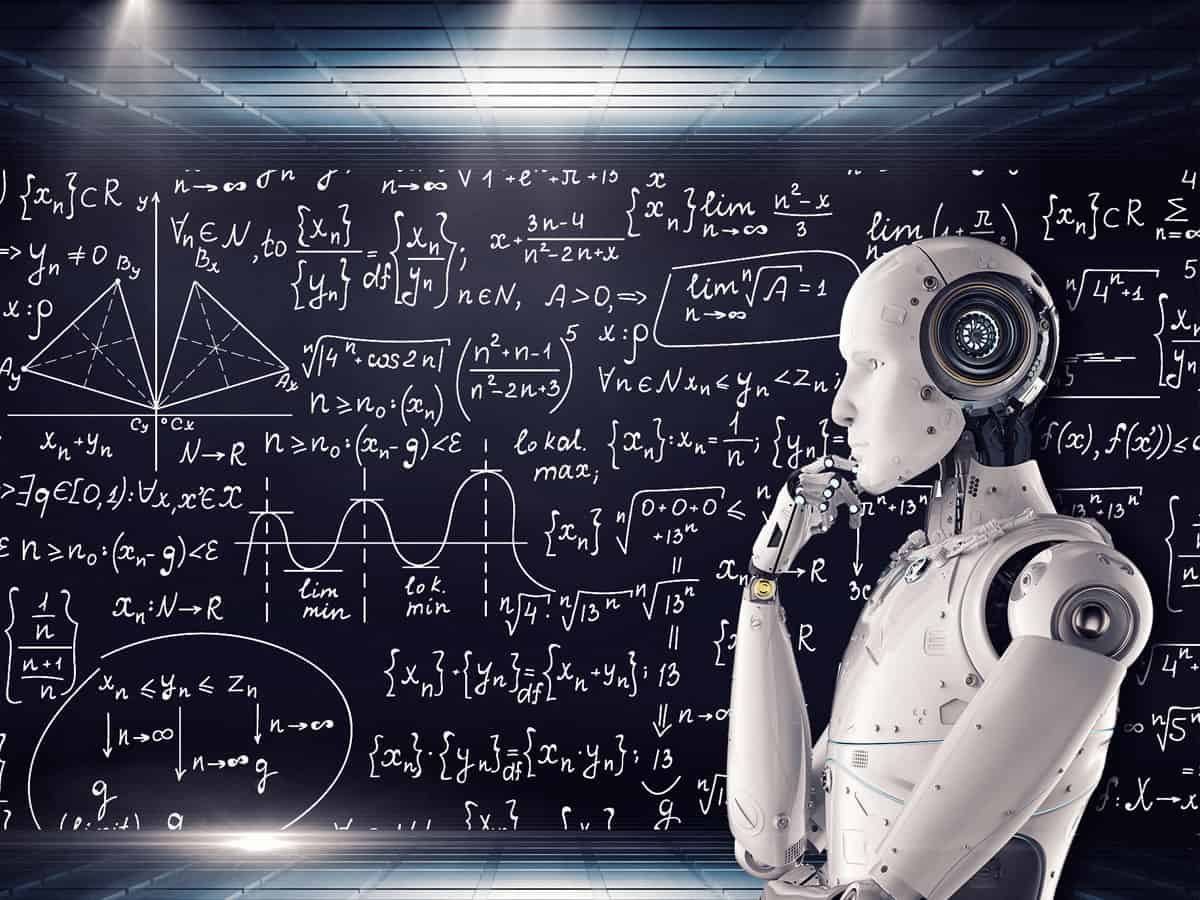
The AI revolution is democratizing access to quality education worldwide through intelligent tutoring systems. These AI-powered platforms adapt to each student’s learning style, pace, and interests, providing customized educational experiences. Furthermore, students receive immediate feedback and support, preventing them from falling behind in crucial subjects.
Additionally, AI identifies learning gaps and provides targeted interventions before problems compound. Teachers gain valuable insights into student progress, allowing them to focus attention where it’s needed most. Moreover, the AI revolution makes world-class education available to anyone with internet access, regardless of geographic location or economic status. Consequently, improved educational outcomes create a more skilled workforce, driving economic prosperity.
Skill Development and Lifelong Learning
As the AI revolution transforms job markets, it simultaneously provides tools for continuous skill development. AI-powered platforms offer personalized career guidance and training recommendations based on market demands. Furthermore, workers can quickly acquire new skills through AI-enhanced learning programs that accelerate competency development.
Moreover, the AI revolution enables just-in-time learning, where workers acquire specific skills exactly when needed. Companies use AI to identify skill gaps and provide targeted training to employees. Additionally, AI makes professional development more accessible and affordable than traditional education methods. Therefore, continuous learning powered by AI ensures workers remain valuable and prosperous throughout their careers.
Environmental Benefits of the AI Revolution
Climate Change Mitigation
The AI revolution offers powerful tools for addressing climate change and environmental challenges. AI systems optimize energy consumption in buildings and industrial processes, reducing emissions significantly. Furthermore, smart grids powered by AI balance renewable energy sources with demand, making clean energy more viable and cost-effective.
Additionally, AI models predict weather patterns and climate changes with unprecedented accuracy, helping communities prepare for environmental challenges. The AI revolution enables precision agriculture that reduces water usage and chemical inputs while increasing crop yields. Moreover, AI-powered systems identify and track pollution sources, enabling targeted environmental protection efforts. Consequently, environmental improvements through AI contribute to long-term prosperity and sustainability.
Resource Optimization
Through the AI revolution, societies can dramatically reduce waste and optimize resource utilization. AI algorithms coordinate supply chains to minimize transportation and storage inefficiencies. Furthermore, predictive maintenance powered by AI extends equipment life and reduces resource consumption in manufacturing and infrastructure.
Moreover, AI enables circular economy models by identifying opportunities for recycling and reuse. The AI revolution helps companies design products for sustainability from conception through disposal. Additionally, AI-powered systems match waste streams with potential users, turning waste into valuable resources. Therefore, resource optimization through AI creates both environmental and economic prosperity.
Social Benefits and Quality of Life Improvements
Accessibility and Inclusion
The AI revolution is breaking down barriers for people with disabilities, creating more inclusive societies. AI-powered assistive technologies enable visually impaired individuals to navigate independently using computer vision. Furthermore, real-time translation and transcription services help people communicate across language and hearing barriers.
Additionally, AI systems provide personalized support for individuals with learning disabilities or cognitive challenges. The AI revolution ensures that everyone can participate fully in economic and social activities. Moreover, inclusive design powered by AI benefits everyone, not just those with disabilities. Consequently, greater inclusion leads to increased prosperity as more people contribute their talents to society.
Enhanced Public Services
Governments worldwide leverage the AI revolution to improve public service delivery and efficiency. AI systems help allocate resources more effectively, ensuring taxpayer money generates maximum benefit. Furthermore, predictive analytics enable proactive maintenance of infrastructure, preventing costly failures and disruptions.
Moreover, AI-powered chatbots and virtual assistants make government services more accessible and user-friendly. The AI revolution reduces bureaucratic delays and improves citizen satisfaction with public services. Additionally, AI helps identify and prevent fraud, ensuring public resources reach intended beneficiaries. Therefore, improved public services through AI contribute to overall societal prosperity and wellbeing.
Addressing Concerns About the AI Revolution
Job Creation vs. Displacement
While automation concerns are valid, the AI revolution historically creates more jobs than it eliminates. New roles emerge in AI development, maintenance, and oversight, requiring human creativity and judgment. Furthermore, AI augments human capabilities rather than simply replacing workers, creating hybrid roles that combine human and machine strengths.
Additionally, the AI revolution generates demand for uniquely human skills like emotional intelligence, creativity, and complex problem-solving. Service industries expand as AI-driven productivity gains increase disposable income and leisure time. Moreover, governments and organizations are developing retraining programs to help workers transition to new opportunities. Consequently, proactive adaptation to the AI revolution ensures widespread prosperity rather than displacement.
Ensuring Equitable Distribution
The benefits must reach all segments of society to achieve true prosperity. Policymakers are developing frameworks to ensure AI technologies remain accessible and affordable. Furthermore, public-private partnerships help bring AI benefits to underserved communities and developing nations.
Moreover, open-source AI initiatives democratize access to powerful technologies. The AI revolution encourages collaboration and knowledge sharing across borders and industries. Additionally, ethical AI development prioritizes fairness and inclusion from the design phase. Therefore, conscious efforts to ensure equitable distribution maximize the AI revolution’s prosperity potential.
Future Outlook: Sustained Prosperity Through AI
Continuous Innovation and Growth
The AI revolution is still in its early stages, with exponential growth expected in coming decades. Emerging technologies like quantum computing will amplify AI’s capabilities dramatically. Furthermore, as AI systems become more sophisticated, they’ll tackle increasingly complex challenges facing humanity.
Additionally, the convergence of AI with other technologies like biotechnology and nanotechnology opens unprecedented possibilities. The AI revolution will enable space exploration, longevity research, and other frontier pursuits. Moreover, each breakthrough creates new opportunities for economic growth and human flourishing. Consequently, the AI revolution promises sustained and accelerating prosperity for future generations.
Conclusion: Embracing the Prosperous Future
The AI revolution represents humanity’s greatest opportunity for creating widespread prosperity and solving global challenges. Throughout this exploration, we’ve seen how AI transforms healthcare, education, environmental protection, and economic development. Furthermore, the benefits extend beyond material wealth to include improved quality of life, greater inclusion, and enhanced human potential.
Moreover, while challenges exist, history demonstrates that technological revolutions ultimately benefit humanity when properly managed. The AI revolution offers tools to address inequality, climate change, and other pressing issues while creating new opportunities for human achievement. Therefore, by embracing and shaping the AI revolution responsibly, we can ensure that its prosperity reaches everyone, creating a better future for all humanity.
References:
- Digital New IT – Explore cutting-edge AI developments and their impact on global prosperity
- Tech Vault MM – Your comprehensive resource for AI innovation and technological advancement strategies